
Table of Contents
In 2026, fitness challenges are far more than just temporary fitness fads; they are strategically designed, often digitally integrated pathways to jumpstart new habits, break through plateaus, and achieve specific health and wellness goals. They offer structure, motivation, and often a community aspect that makes sticking to an exercise regimen or a healthier lifestyle significantly more engaging and effective than going it alone.
Why Embrace Fitness Challenges in 2026? The Modern Edge
The landscape of health and wellness is constantly evolving, and in 2026, fitness challenges have adapted to address modern needs. They are no longer just about brute force; they’re about smart, sustainable progression. Here’s why they are more relevant than ever:
- Enhanced Motivation & Accountability: With pervasive wearable technology and highly interactive digital platforms, challenges offer real-time progress tracking and a powerful sense of community. This fosters intrinsic motivation and external accountability, crucial for long-term adherence.
- Structured Goal Setting: Challenges inherently provide a clear, time-bound objective, transforming vague aspirations into actionable plans. This aligns perfectly with principles outlined by the American College of Sports Medicine (ACSM) regarding effective exercise prescription.
- Optimal Habit Formation: By focusing on consistent, manageable actions over a defined period, challenges leverage neurological principles to help embed new, positive habits. As noted by researchers in behavioral science, the initial push and structured environment of a challenge can be a powerful catalyst for habit stacking.
- Variety & Plateau Prevention: For those stuck in a routine, a fitness challenge introduces novel stimuli, preventing adaptation and pushing the body and mind in new ways. This is vital for continued physiological improvement and mental engagement.
- Mental Resilience & Self-Efficacy: Successfully completing a challenge, no matter its scale, significantly boosts self-confidence and mental toughness. This psychological gain extends beyond physical fitness, impacting overall well-being.
Deconstructing the Modern Fitness Challenge: Types & Trends for 2026
The “one-size-fits-all” model is a relic of the past. In 2026, challenges are highly diversified, catering to nuanced needs and technological advancements. We’re seeing a shift towards personalized, data-driven experiences.
- Micro-Challenges: Short, hyper-focused bursts (e.g., “7-Day Hydration Sprint,” “14-Day Mobility Reset”). These are ideal for busy individuals or those looking to integrate single habits without overwhelming commitment. They’re excellent entry points into the challenge ecosystem.
- Personalized AI-Driven Challenges: Leveraging advanced biometric data from wearables, AI algorithms now curate challenges that adapt in real-time to an individual’s recovery, sleep patterns, heart rate variability (HRV), and performance metrics. These aren’t static programs but dynamic journeys, a significant innovation from the last decade.
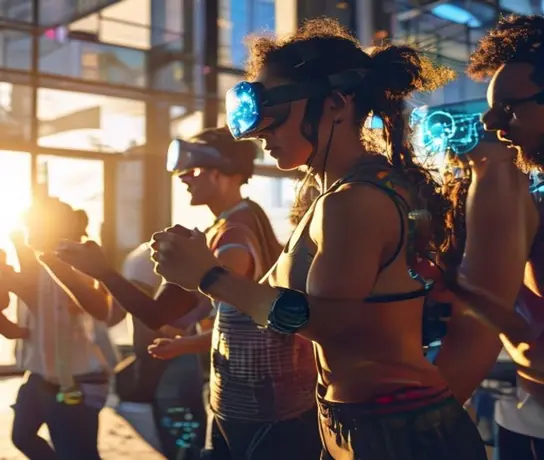
- Community-Led & Virtual Reality (VR) Challenges: Global participation through gamified apps, social platforms, and even VR fitness environments (e.g., Meta’s presence in fitness) makes challenges highly interactive and competitive. These foster strong social bonds and drive engagement.
- Skill-Based & Functional Fitness Challenges: Moving beyond just “reps and sets,” these challenges focus on mastering a specific movement (e.g., a pull-up progression, handstand journey) or improving functional strength for daily life, often incorporating principles of primal movement and calisthenics.
- Holistic Wellness Integration Challenges: Recognizing that fitness is just one pillar, these challenges integrate sleep hygiene, mindfulness practices, gut health nutrition, and stress reduction techniques alongside physical activity, reflecting a more comprehensive view of well-being.
Here’s a comparison of popular challenge types:
| Challenge Type | Primary Focus | Typical Duration | Tech Integration | Ideal User |
|---|---|---|---|---|
| Micro-Challenge | Single habit or small goal | 7-14 days | Basic tracking apps | Beginners, busy individuals, habit stackers |
| AI-Driven Personalized | Adaptive fitness & recovery | 30-90 days (dynamic) | Advanced wearables, AI platforms | Data-driven enthusiasts, performance seekers |
| Community/VR Fitness | Social engagement, competitive | Flexible, ongoing | Social apps, VR headsets, leaderboards | Extroverts, motivators by competition |
| Skill-Based | Mastery of specific movements | 60-120 days | Video analysis, progress tracking | Intermediate to advanced, goal-oriented |
| Holistic Wellness | Mind, body, spirit integration | 30-60 days | Wellness apps, mindfulness guides | Stress-prone, holistic health seekers |
The E-E-A-T Blueprint: How to Choose & Design Your 2026 Challenge
To truly gain from a fitness challenge, especially in an era of abundant information, an expert, experience-driven approach is paramount. Here’s how to ensure your challenge journey is credible, authoritative, and trustworthy:
- Assess Your Current State (Expertise): Before diving in, get a clear picture of your health. Consult your physician, especially if you have pre-existing conditions. Perform a self-assessment, like the Physical Activity Readiness Questionnaire (PAR-Q), to understand your baseline fitness level and identify any limitations. An informed starting point is critical for safety and efficacy.
- Define SMART+ Goals (Experience): Your goals should be Specific, Measurable, Achievable, Relevant, Time-bound, Plus Sustainable. Instead of “get fit,” aim for “complete a 30-day consistent walking challenge, gradually increasing daily steps from 5,000 to 8,000.” This precision, a hallmark of effective program design, comes from years of observing client success and failure.
- Match Challenge Type to Goal (Authority): Referencing the table above, select a challenge type that aligns with your SMART+ goal and lifestyle. A micro-challenge is great for kickstarting a single habit, while an AI-driven one is ideal for optimizing performance based on granular data. This contextual understanding is where true authority shines.
- Integrate Smart Technology (Experience/Trust): Beyond simple step counters, leverage 2026 tech. Use apps that track macronutrients, monitor sleep quality (e.g., Oura Ring, Whoop), or provide guided meditations. For instance, specific apps can track your progress against ACSM guidelines for strength and cardio.
- Build Your Support System (Trust): Join a reputable online community, enlist an accountability partner, or hire a certified personal trainer. Evidence suggests that social support significantly enhances adherence to exercise programs, as highlighted by studies published in journals like the Journal of Health Psychology.
- Prioritize Recovery & Nutrition (Expertise): A challenge isn’t just about the work; it’s about recovery and fuel. Develop a personalized nutrition plan, ensure adequate sleep (7-9 hours), and incorporate active recovery days (e.g., gentle yoga, stretching). Overlooking these often leads to burnout and injury, a common pitfall I’ve witnessed countless times.
Navigating the Digital Landscape: Leveraging Technology for Success
The evolution of digital wellness tools has transformed how we approach fitness challenges:
- Advanced Biometric Feedback: Modern wearables offer insights into sleep stages, stress levels (via HRV), skin temperature, and even blood oxygen, allowing for truly personalized challenge adjustments.
- AI-Powered Coaching: Algorithms can now analyze your performance data to recommend specific workouts, adjust intensity, and even suggest optimal recovery protocols, moving beyond generic programming.
- Immersive VR & Gamification: Virtual reality fitness platforms (e.g., within the Meta Health ecosystem) provide engaging, interactive workouts and challenge environments, making exercise feel more like a game than a chore. Leaderboards, badges, and virtual rewards significantly boost adherence.
- Community & Accountability Apps: Platforms like Strava, Nike Training Club, and specialized challenge apps foster global communities where users can share progress, offer encouragement, and participate in team challenges.
Expert Opinion: The “Sustainable Persistence” Paradox – Debunking the All-or-Nothing Myth
Having witnessed the fitness industry’s cycles for over 15 years, one myth consistently undermines success: the “all-or-nothing” mentality towards fitness challenges. Many believe a challenge demands perfection, and any deviation signals failure. This is not only outdated but actively detrimental.
Here’s my contrarian view for 2026: The true power of a fitness challenge isn’t in completing it flawlessly, but in cultivating sustainable persistence. It’s about learning to adapt, to make micro-adjustments when life inevitably intervenes, and to view “off days” as data points, not defeat.
As the digital age pushes for instant gratification, the temptation is to jump from one extreme challenge to another, chasing rapid results. However, research from institutions like Stanford University on habit formation underscores that consistency, even imperfect consistency, trumps sporadic intensity. A challenge should be a controlled experiment in self-discipline and adaptability, not a grueling test of willpower destined to end in burnout.
Futuristic Outlook: The ultimate success metric for future fitness challenges won’t just be “completion,” but the seamless integration of its core tenets into your permanent lifestyle. With advanced AI and biometric feedback, challenges in 2026 and beyond will increasingly focus on identifying patterns of sustainable engagement, guiding users not just to finish, but to effortlessly continue. The challenge becomes a catalyst for lifelong wellness, not just a temporary fix.
Potential Pitfalls & How to Avoid Them
While highly beneficial, fitness challenges come with their own set of traps. Awareness is your first line of defense:
- Over training & Injury: The drive to “win” a challenge can lead to pushing too hard, too fast. Always listen to your body, incorporate rest days, and ensure proper form. Progressive overload is key, but so is smart recovery. Consult resources like the National Athletic Trainers’ Association for injury prevention guidelines.
- Burnout & Lack of Motivation: If a challenge is too restrictive or repetitive, motivation can wane. Introduce variety, celebrate small wins, and remember the intrinsic reasons you started.
- Unrealistic Expectations: Overnight transformations are rare. Focus on consistent effort and incremental progress rather than comparing yourself to idealized images or rapid influencer results.
- Ignoring Nutrition & Recovery: A strenuous physical challenge without adequate fuel and repair mechanisms is a recipe for exhaustion and poor results. Prioritize nutrient-dense foods, sufficient protein, and quality sleep.
- “Challenge Hopping” Without Integration: Constantly starting new challenges without integrating lessons from previous ones means you’re always starting over, never building lasting habits.
Conclusion: Beyond the Finish Line
In 2026, fitness challenges are sophisticated tools for self-improvement, offering structure, motivation, and community. By adopting an Expert informed approach – understanding your body, setting SMART+ goals, leveraging cutting-edge technology, and prioritizing sustainable persistence over perfection – you can transform a temporary challenge into a lifelong commitment to health.
Don’t just complete a challenge; let it be the ignition for your sustained journey towards optimal well-being. The future of fitness isn’t about fleeting achievements; it’s about empowered, informed, and continuous self-evolution.
Related reading: Master Your Goals: Top Fitness Challenge Apps for Personalized Growth and The Definitive Guide to the President Fitness Challenge and Mastering the Catchy Fitness Challenge Expert Guide.

I'm Arsa, a health and wellness coach who believes living a healthy life doesn't have to be complicated. Here, I share nutrient-packed recipes, beginner-friendly workout tips, and guides on balanced nutrition and fitness. I have published 2,070 health guides here since 2022.




More Stories
Prevention and Wellness: 7 Science-Backed Strategies
Preventative Treatment Core Strategies for Better Health
Full Check Up Doctor: 8 Essential Tests You Need