
Table of Contents
The Evolving Landscape of Family Fitness in 2026
The health and wellness industry has seen seismic shifts. We’re grappling with escalating screen time, rising rates of sedentary behavior, and the persistent challenge of childhood obesity. According to recent data synthesized by the World Health Organization (WHO), a significant percentage of adolescents globally still don’t meet recommended daily physical activity levels. However, 2026 also brings unprecedented opportunities. From personalized wellness platforms powered by AI to highly accurate wearable technologies, families have more tools than ever to track progress, discover engaging activities, and connect with health professionals remotely. Modern family fitness must be agile, addressing digital distractions head-on while leveraging technology for positive change. It requires a mindful shift from reactive health management to proactive, preventative lifestyle design, integrated seamlessly into the rhythm of daily life.Beyond the Basics: Debunking Common Myths & Adopting a Holistic View
Myth Buster: You Need Expensive Gear for Family Fitness
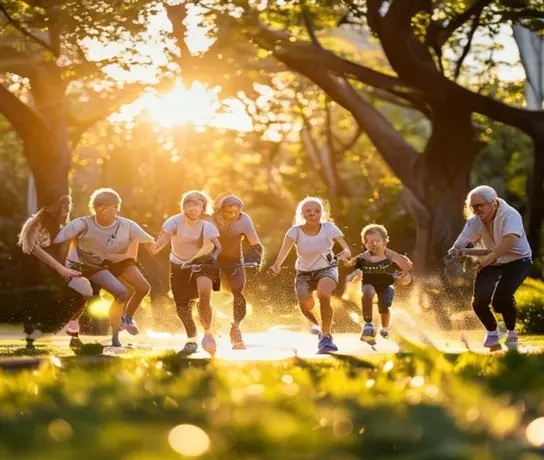
One of the most enduring myths holding families back is the belief that a robust fitness regimen requires costly gym memberships, high-tech equipment, or specialized sports gear. As a Senior Health & Wellness Expert with over 15 years in this field, I can confidently assert this is simply not true. The most impactful and sustainable activities are often the simplest: a brisk walk in a local park, a game of tag, cycling around the neighborhood, or even dancing in the living room. These activities are accessible, free, and incredibly effective at improving cardiovascular health, strength, and coordination. The true investment is time and commitment, not capital.Embracing Holistic Health: More Than Just Movement
In 2026, we understand that true family fitness extends far beyond physical exertion. It encompasses nutrition, sleep hygiene, and mental well-being. The American Academy of Pediatrics emphasizes the profound link between a balanced diet, adequate sleep, and cognitive function in children and adolescents. Families should prioritize:- Nutrient-Rich Eating: Focus on whole foods, reducing processed snacks, and cooking together to instill healthy habits.
- Quality Sleep: Establish consistent sleep schedules, create a calm bedroom environment, and implement digital device curfews.
- Mental Wellness Practices: Incorporate mindfulness exercises, dedicated “digital detox” periods, and open communication to support emotional health.
Practical Strategies for Dynamic Family Wellness
Age-Appropriate Engagement: Tailoring Your Family Fitness Plan
Successful family fitness plans are inclusive, catering to varying ages and abilities. The key is to find activities that genuinely appeal to everyone, fostering a sense of shared adventure rather than obligation.| Age Group | Recommended Activities | Benefit Focus |
|---|---|---|
| Toddlers (1-3) | Playground visits, chasing games, dancing, push-pull toys | Gross motor skills, coordination, exploration |
| Young Children (4-8) | Bike riding, swimming, organized sports (non-competitive), nature walks, obstacle courses | Endurance, social skills, foundational movement patterns |
| Pre-Teens (9-12) | Team sports, hiking, martial arts, skateboarding, active video games (exergames) | Strength, strategic thinking, building confidence |
| Teens (13+) | Fitness classes, resistance training, running clubs, kayaking, volunteering (e.g., trail maintenance) | Independence, muscle development, cardiovascular health, community engagement |
Leveraging Tech for Good: Smart Fitness for Modern Families
Rather than viewing technology solely as a barrier, we can harness it as a powerful ally. Modern wearables (like smartwatches and fitness trackers) offer insights into daily activity, sleep patterns, and even heart rate, providing engaging data for older children and adults. Furthermore, “exergames” on consoles (e.g., VR fitness, interactive sports simulations) have evolved dramatically, offering fun, active alternatives that appeal to tech savvy generations. Online fitness platforms, subscription-based apps, and virtual reality workouts provide structured options for families looking for guided sessions from home, accommodating diverse schedules and interests. This pragmatic integration of technology is a hallmark of 2026 wellness strategy.Crafting a Sustainable Routine: Consistency is Key
From my perspective, one critical aspect often overlooked in the pursuit of family fitness is the power of ‘micro-movements’ and ‘active breaks.’ Instead of viewing exercise as a monolithic, time-consuming block, integrate small bursts of activity throughout the day. This could be a five-minute stretch break every hour during remote learning, taking the stairs instead of the elevator, or walking to a friend’s house instead of driving. These seemingly small actions accumulate significantly, making physical activity less of a chore and more of an ingrained habit. As reported by the British Journal of Sports Medicine, even short, frequent bursts of activity can substantially improve metabolic health and energy levels, proving highly sustainable for busy family schedules. Lead by example: if parents are active, children are far more likely to adopt similar behaviors. Schedule active playtime like you would any other important appointment. Make it fun, celebrate small victories, and adjust plans as interests evolve. The goal is progress, not perfection. In summary, prioritizing family fitness in 2026 is about more than just staying active; it’s about building a legacy of health, resilience, and joyful connection. By understanding modern challenges, debunking old myths, embracing a holistic view, and leveraging smart strategies, families can cultivate a vibrant, active lifestyle that benefits everyone for years to come. Make health an adventure your family embarks on together.Start tonight: family fitness grows from one shared habit, like evening walks or weekend cooking. Fuel it with leafy greens nutrition and ideas from healthy travel hacks. Activity guidelines at CDC set weekly targets by age.
Related reading: Challenge Yourself Fitness to Transform Health and Wellness.
How does family fitness benefit kids?
Shared daily movement builds healthy habits early in kids. Active routines with parents persist into adulthood.
What if schedules never align?
Stack short ten-minute sessions morning and evening. Consistency across the week beats one long weekend workout.
How do we start this week?
Pick one evening walk plus one active weekend outing. Add a second habit only after three consistent weeks.

I'm Arsa, a health and wellness coach who believes living a healthy life doesn't have to be complicated. Here, I share nutrient-packed recipes, beginner-friendly workout tips, and guides on balanced nutrition and fitness. I have published 2,070 health guides here since 2022.




More Stories
Prevention and Wellness: 7 Science-Backed Strategies
Preventative Treatment Core Strategies for Better Health
Full Check Up Doctor: 8 Essential Tests You Need