
Table of Contents
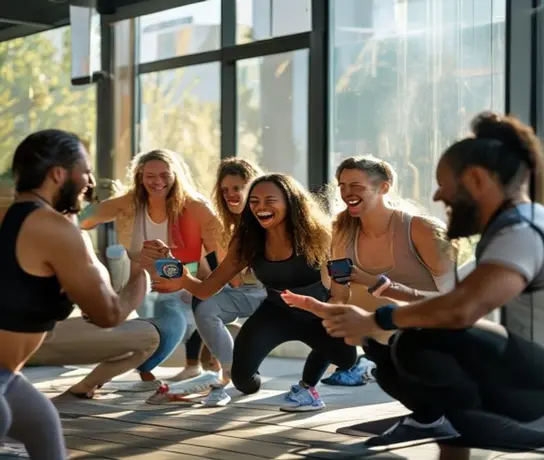
If you’re searching for a transformative boost to your health journey in 2026, understanding the power of a fitness challenge group is paramount. Far more than just a casual workout buddy system, these structured communities leverage psychology, technology, and collective ambition to drive significant, sustainable results.
They offer a unique blend of accountability, expert guidance, and social support that often proves more effective than solo endeavors, particularly in an era where digital connections are as vital as in-person interactions. This comprehensive guide, crafted from 15+ years at the forefront of health and wellness, will demystify what makes these groups tick, how to find or create the perfect one, and how to harness their full potential for your well-being.
The Unstoppable Power of a Modern Fitness Challenge Group
A well-designed fitness challenge group acts as a powerful catalyst for behavioral change. In 2026, these groups have evolved beyond simple “biggest loser” competitions to embrace holistic wellness, personalized pathways, and data-driven insights. The core benefit lies in structured accountability and communal motivation, addressing the two biggest hurdles most individuals face when pursuing fitness goals. According to a recent report by the Global Wellness Institute (2025-2026 trends), community-based wellness programs show significantly higher adherence rates (up to 70% retention) compared to individual programs, primarily due to enhanced psychological buy-in and perceived social support.
Beyond motivation, a quality fitness challenge group provides access to curated resources, expert coaching, and a shared learning environment. Participants benefit from diverse perspectives, shared struggles, and collective problem-solving. This isn’t just about sweating together; it’s about growing together.
From nutrition planning and stress management to progressive overload strategies and recovery protocols, a holistic group covers all bases, integrating mental and emotional well-being alongside physical targets, reflecting the latest guidelines from institutions like the National Institutes of Health (NIH) on comprehensive health promotion.
Building Your Ideal Fitness Challenge Group: Key Elements
Not all groups are created equal. To maximize impact, look for a fitness challenge group that incorporates these critical elements, reflecting best practices in human psychology and exercise science:
- Clear, Achievable Goals: Vague goals lead to vague results. A challenge should have specific, measurable, achievable, relevant, and time-bound (SMART) objectives.
- Expert Leadership & Coaching: Certified professionals (e.g., ACE-certified personal trainers, registered dietitians) are crucial for safe, effective programming and personalized feedback.
- Structured Accountability: Regular check-ins, progress tracking, and peer support mechanisms are vital. This often includes daily logs, weekly weigh-ins, and shared milestones.
- Supportive Community: A positive, non-judgmental environment fosters vulnerability and encourages persistent effort. Social interaction, whether virtual or in-person, is a key predictor of success.
- Educational Content: Beyond workouts, groups should educate members on sustainable nutrition, recovery, mindset, and habit formation, moving beyond short-term fixes.
- Adaptability & Personalization: While a group, options for individual modifications based on fitness level, preferences, and bio-individuality are essential.
- Technological Integration: Leveraging apps for communication, progress tracking, live sessions, and personalized feedback enhances engagement and reach.
Debunking the “More is Better” Myth: The 2026 Approach to Fitness Challenge Group Success
As a seasoned expert, I’ve observed a common pitfall: the belief that the more intense, restrictive, or short-term a challenge is, the better the results. This is an outdated myth that often leads to burnout, injury, and a rebound effect. The focus has shifted dramatically from extreme, unsustainable “bootcamps” to evidence-based, sustainable models. The truth is, “more” often leads to “less” in the long run. My expert opinion: the most effective fitness challenge group prioritizes consistency, personalized progression, and a holistic view of health over crash diets and exhausting regimens.
Modern behavioral science, as explored in recent studies published in the Journal of Medical Internet Research (JMIR), emphasizes the importance of habit formation and intrinsic motivation. A superior fitness challenge group helps you build lasting healthy habits, not just temporary achievements. Beware of groups promising “miracle transformations” in 30 days; look for those emphasizing long-term lifestyle changes, emotional regulation, and fostering a positive relationship with your body, rather than just aesthetics or scale numbers. This aligns with a growing understanding of mental health’s role in physical fitness, a concept reinforced by the World Health Organization’s (WHO) expanded definition of health.
Choosing or Creating Your Next Fitness Challenge Group
Whether you’re looking to join an existing fitness challenge group or spearhead your own, consider the following data points:
| Aspect | Traditional Group Focus | 2026 Modern Group Focus |
|---|---|---|
| Primary Goal | Weight loss, physical transformation | Holistic wellness, sustainable habits, performance, mental well-being |
| Methodology | One-size-fits-all workouts, strict diets | Personalized programming within group, flexible nutrition, diverse modalities |
| Accountability | Leader-centric, public weigh-ins | Peer-supported, private progress tracking, intrinsic motivation |
| Technology Use | Minimal (email, basic forum) | Integrated apps, AI coaching, live streams, VR/AR fitness |
| Community Vibe | Competitive, often exclusive | Supportive, inclusive, collaborative |
| Sustainability | Short-term engagement, high dropout | Long-term habit building, high retention, alumni networks |
When selecting a group, interview the coach or leader, ask about their philosophy, success metrics, and how they handle individual challenges. If creating one, start with a clear niche and leverage modern communication tools like dedicated apps (e.g., Slack, Discord, custom platforms) that allow for private messaging, group discussions, and content sharing. Incorporate gamification elements (leaderboards, badges for consistency) to boost engagement, a strategy shown to increase participation in health initiatives by up to 30% (as per a recent study on digital health interventions).
Ultimately, whether you’re joining or leading one, a well-executed fitness challenge group remains a cornerstone of sustainable wellness in the modern era. Its ability to combine structure, support, and expert guidance makes it an invaluable tool for anyone serious about achieving and maintaining their health and fitness goals. Embrace the collective power, commit to the process, and witness the transformative results a truly effective group can deliver.
If you want a personal routine to pair with the group, start with how to be as healthy as possible and adapt the habits to your schedule.
Related reading: Thrive After 60: Your Ultimate Senior Fitness Challenge Guide and Challenge Yourself Fitness to Transform Health and Wellness.
I'm Arsa, a health and wellness coach who believes living a healthy life doesn't have to be complicated. Here, I share nutrient-packed recipes, beginner-friendly workout tips, and guides on balanced nutrition and fitness. I have published 2,070 health guides here since 2022.


More Stories
Prevention and Wellness: 7 Science-Backed Strategies
Preventative Treatment Core Strategies for Better Health
Full Check Up Doctor: 8 Essential Tests You Need