

Table of Contents
Cancer nutrition guides daily choices during treatment: simple whole foods support strength while the body heals.
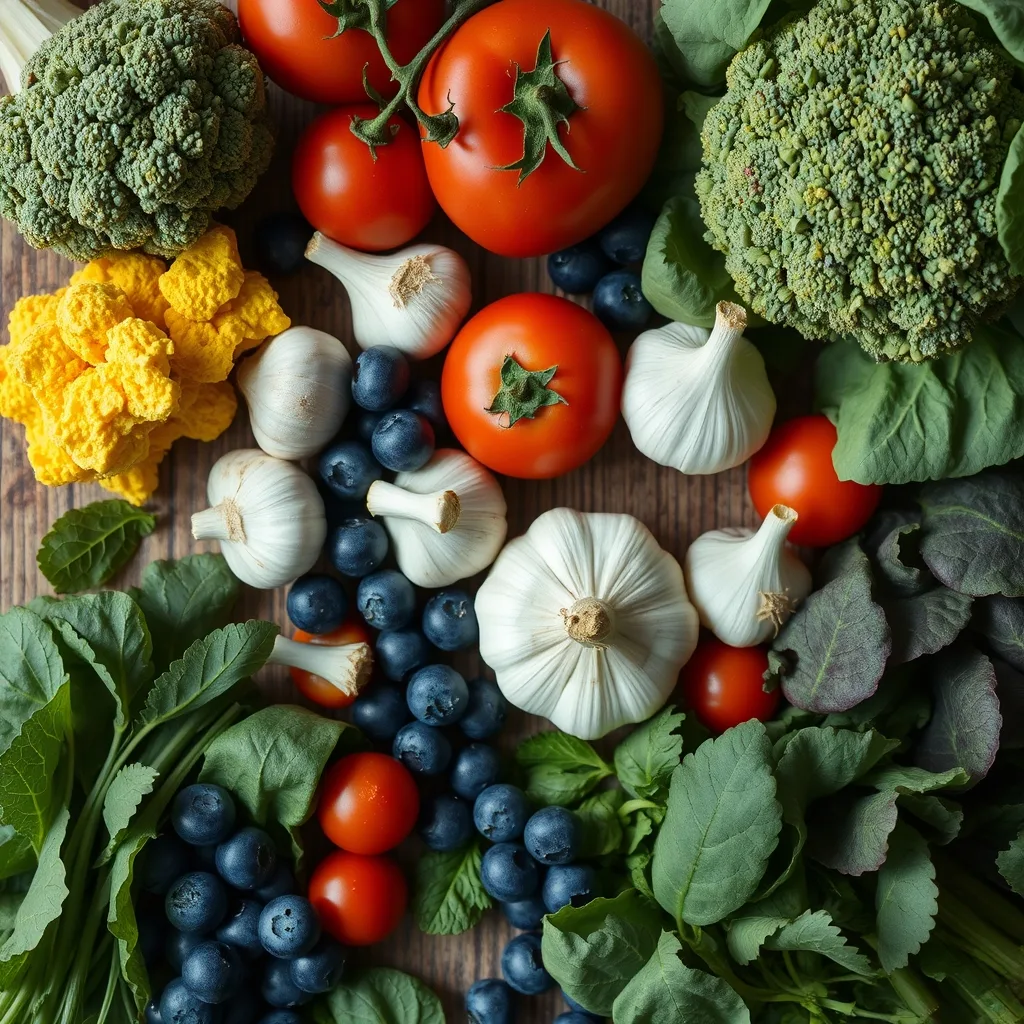
When facing a diagnosis, experts agree that cancer nutrition can strongly influence strength and recovery.
A simple rule helps: build the daily routine around whole foods only. Whole foods are those made up of only themselves. No combinations such as in cake, biscuits and bread for example. Single whole foods such as vegetables, fruits, and unprocessed meats pack the nutrients, vitamins, and minerals the body needs now. We have been after all, (probably) used to a diet of eating pretty much what ever we wanted and when we wanted. Is this then, one of the many reasons, that we have arrived at this sorry place?
To get the best nutrient efficiency now, the rules have to change. Good cancer nutrition keeps nutrient-rich staples in the daily routine.
Some foods will have to be dropped, since manufactured foods offer almost no usable nourishment. What we eat varies in how it supports our immune system.
The things that we eat vary in their capacity to support our immune systems by being nutrient and mineral and vitamin rich, and some foods, including manufactured foods contain no such benefits (or at least so few that it actually costs the immune system, energy to process them). Many foods today carry natural carcinogens.
Smoked or pickled goods, for example, that exacerbate colon cancer and bowel cancer in particular. Others have carcinogens called pro-carcinogens such as saccharin or artificial colors, nitrates and nitrites. Some fats and deep fried foods are particularly unhelpful, but the risk can be augmented through supplementation of such vitamin and minerals as vitamin D and calcium.
Naturally, it goes without saying that cigarette smoke should be avoided and yes, unfortunately for some, alcohol and sugary drinks are out as well. There is enough research available today to make us all aware that cigarette smoke is carcinogenic and certainly will not allow us to heal from cancer
Cancer Nutrition and Lifestyle Changes for Recovery
At first the changes asked for, appear to be overwhelming and it is quite natural for people to say such things as “I can’t possibly go with out my smokes and a drink after work. I’d rather be dead.” Big changes feel hard, and that is normal. Small steps in cancer nutrition still move recovery forward.
Well, they probably will be well on their way towards achieving their wishes unless some changes often drastic changes, are made. Of course it is hard! Of course it is a push! But what is it that we are striving for here?
We are not trying to gain a glittering prize. We’re not trying to enhance our fortune or buy a new car – we’re trying to live! This is life! We’re throwing ourselves on the mercy of God’s court and asking for life! Extended life maybe. Fore-shortened a few years, maybe, but life with our family, our wives and husbands and partners. Life extended with our children and their children.
Surely we can eat vegetables to achieve that? Surely the fruits we eat now, will taste, just that much better in the knowledge it supports our life’s unity? Why wouldn’t we take responsibility for our extended life when it means so much?
Foods That Hinder and Foods That Help
There are many causes of cancer and rarely just a single cause of cancer and these occur internally and externally, but primarily, change occurs to the cell’s DNA. Most would agree it is a multi-faceted event with many layers, including cancer nutrition as one layer we can change directly. It makes sense then, to put into practice, those changes we can immediately effect and diet is one such option. No one is saying that one particular type of food is a cause, and no one particular food is a cure, simply that some help and others hinder.
Among the foods that hinder are hormonally treated meat such as in some poultry, pork and beef. Some foods have been irradiated and other sprayed with carcinogenic sprays, ethalyine dibromide being one. Fresh is best. For steady cancer nutrition, try to obtain locally grown fruit and vegetables, and avoid bruised or moldy foods.
Some studies have indicated that high insulin levels may be a factor in poor cancer survival. The growth hormone IGF-1 which is increased due to a high body mass index, lack of exercise or high stress levels and cancer, have been linked in several studies. Most of us recognize those foods that encourage the production of insulin, high starch, high sugar, breads, cakes, biscuits and even potatoes. Yes, even the good old spud in all it’s forms, give it the flick, at least for now.
Cancer Nutrition: Diet and Supplements Guide
So what can be eaten? In cancer nutrition, whole foods come first, especially plants linked with prevention, such as cabbage, broccoli, eggplant, wheat sprouts, lettuce, and spinach. Brussels sprouts are particularly good for protection from breast cancer, lung cancer and bowel cancers. Most berries, blueberries, raspberries, cherries and blackberries are perfect foods. Some fruits, such as green apples and pineapple.
It can be seen from this list, which is in no way exhaustive, that the common denominator is a high nutritional content. Supplementation of vitamins such as A, C, and E and bioflavonoid is recommended in many cases.
The correct combination of certain foods matters just as much. Because cancer nutrition is personal, take advice from a nutritionist or naturopath here and be guided by their expert opinion. We included ginger, mint leaf and wheat sprouts in our daily diet regime as well as the dietary changes that I have indicated, most are still in my daily routine. For a time, I increased fiber intake through old-fashioned grains such as oats, which fit our cancer nutrition plan at that stage. I was guided here by my naturopath and biologist friend, Bill Giles who encouraged a diet free from grains entirely.
“Lectin proteins are the only other major chemical group that occurs in all types of grains, and is involved with immune defence. It is probable that our immune system expends resources to inactivate this protein, and when we are chronically ill, we need all the immune resources we can muster to overcome pathogens and/or disruptive chemicals that may be contributing to our illness.” (Giles 2000)
We added garlic and onion to our meals and supplemented with acidophilus fiber and lactobacillus for gut support. Some studies I noted, advise that a supplementation of iodine reduces the risk of breast, endometrial and ovarian cancers. To this day, we include, cold pressed, organic flax seed oil in our diet. Make sure that the flax seed oil that you purchase, has been refrigerated and stored out of the sunlight.
I still use the marvelous mixture called Swedish Bitters, foul tasting, but in my opinion, good for everything, especially enhancing the body’s ability to manufacture digestive enzymes.
There is terrific discussion surrounding the use of soy in cancer nutrition. I have no advice to offer on the subject except to say that we used it and I still do occasionally and have consumed it now for nearly two decades with no apparent side effects. Ask your nutritionist and be guided by them. Increasing the intake of soy products increases the intake of isoflavones.
Curcumin (in turmeric) enhances the action of isoflavones, another reason varied cancer nutrition plans include colorful spices and produce. Eat button, shitake, Reishe and Maitake mushrooms, Brussell sprouts, broccoli, green apples, apricots and cherries, Roma tomato, pink grapefruit and watermelon which is rich in lycopene which works against breast and prostate cancers. Supplement with pancreatic enzymes.
Consume 1 Table spoon of flax oil combined well with 2 table spoons of cottage cheese (or quark) per (23 kg or)50lb./body weight /day (Allan 2001) This is an recipe known as the Budwig Diet, used in the traditional and alternate treatment of cancer, developed by Doctor Johana Budwig in the early part of last century. Google it and judge for yourself.
These changes were made to assist Donna (the Cancer Cause and Effect site) to manage her Liver cancer, but the type of cancer makes little difference in my opinion and I know people who have breast cancer, colon cancer, stomach and prostate cancer and many other types of immune illnesses including heart disease, who have all benefited from making changes to their lifestyle and eating habits. You have a great deal to lose and a tremendous amount to gain.
I am John Allan, until next time, good luck and may your God watch over you.
A practical cancer nutrition plan focuses on plants, adequate protein, and fluids every day. Compare notes with our anti-cancer foods guide and nutrition and mental wellness basics. For evidence-based guidance, see the NCI nutrition in cancer care guide. Always check diet changes with your doctor or dietitian.
References
Cancer Cause & Effect.. Allan. Ginninderra Press. 2001
No More Chronic Fatigue. Giles. NIBM. 2000.
What foods help most during treatment?
Vegetables, fruits, beans, and lean proteins supply steady energy. Small frequent meals with fluids are easier to tolerate on hard days.
Should I take supplements while ill?
Some vitamins can help, but doses interact with therapy. Ask your doctor or dietitian before adding anything new.
Are soy foods safe to eat?
Moderate soy servings are fine for most people. Keep portions normal and check personal concerns with your care team.

I'm Arsa, a health and wellness coach who believes living a healthy life doesn't have to be complicated. Here, I share nutrient-packed recipes, beginner-friendly workout tips, and guides on balanced nutrition and fitness. I have published 2,070 health guides here since 2022.




More Stories
Transform Your Wellness Journey with Proven Proper Nutrition for Adults Tips
Transform Your Health: Try the Noom Diet Plan Free Right Now
The Key Ingredients of a Successful Weight Loss Nutrition Program