
Table of Contents
Choosing the right low histamine diet foods is the first step toward managing the uncomfortable symptoms associated with histamine intolerance, such as headaches, hives, and digestive distress. Histamine is a biological amine that occurs naturally in the body and in many common ingredients, but some individuals lack the enzyme activity to break it down efficiently. By focusing on fresh, minimally processed items, you can significantly reduce the load on your metabolic system. This guide explores the science behind amine sensitivity and provides a practical roadmap for selecting ingredients that support your well-being.
Understanding Histamine Intolerance and Amine Sensitivity
Histamine intolerance is not a traditional allergy but rather an imbalance between the accumulation of histamine and the body’s ability to degrade it. The primary enzyme responsible for breaking down ingested histamine is diamine oxidase (DAO). When DAO levels are low or inhibited, histamine builds up in the bloodstream, leading to systemic inflammation. This condition can be triggered by genetics, gut health issues, or certain medications that block enzyme production. Understanding this mechanism is vital for anyone looking to be as healthy as possible through dietary interventions.
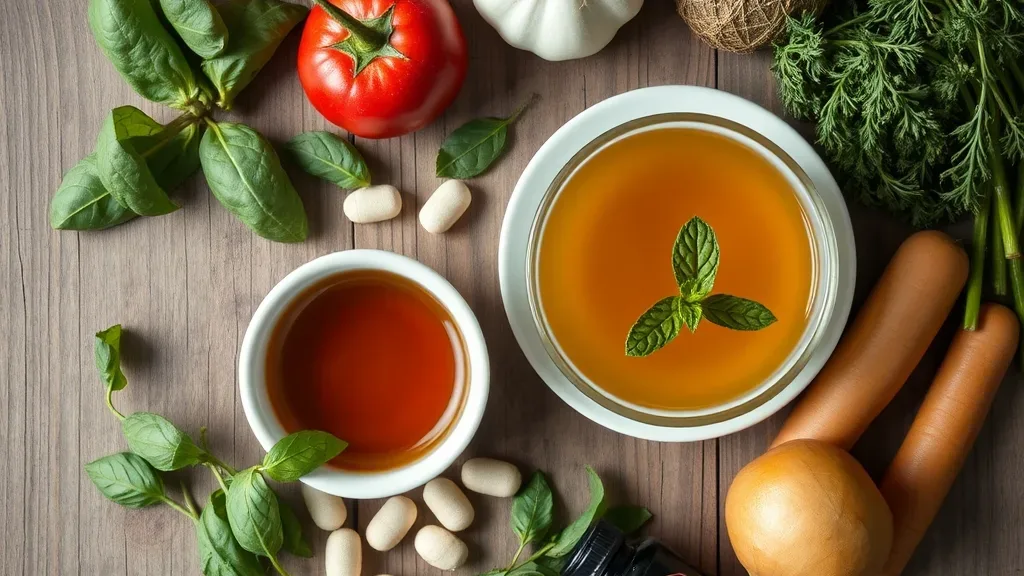
The symptoms of histamine buildup are diverse, often mimicking allergic reactions. Patients may experience nasal congestion, skin flushing, or even rapid heart rate after consuming aged or fermented products. Because histamine levels increase as food sits or ages, the focus of a therapeutic diet is not just about the type of ingredient, but its freshness. By reducing the intake of biogenic amines, you allow your body’s DAO enzymes to catch up, eventually leading to a reduction in chronic symptoms and an improvement in overall quality of life.
Essential low histamine diet foods for Daily Meals
When selecting low histamine diet foods, freshness is the most critical factor to consider. Unlike many other dietary protocols that focus on specific macronutrient ratios, this approach prioritizes the timing of consumption. Freshly slaughtered meat, poultry, and wild-caught fish that are frozen immediately after harvest are excellent choices. Vegetables like asparagus, beets, carrots, and cucumbers are generally well-tolerated and provide essential micronutrients without triggering a mast cell response. These ingredients form the foundation of a safe meal plan that minimizes inflammatory triggers.
Many people find that low histamine diet foods like rice, quinoa, and gluten-free grains offer a stable energy source without the risks associated with aged wheat products. It is also helpful to incorporate healthy fats such as extra virgin olive oil and coconut oil, which are stable and low in amines. When building your grocery list, prioritize the perimeter of the store where fresh produce and unprocessed proteins are located. Avoiding the middle aisles, which are often filled with canned, pickled, and long-shelf-life items, is a simple strategy to ensure your kitchen remains a safe zone for your digestive health.
Safe Protein Sources
Proteins are often the trickiest category because bacteria quickly convert amino acids into histamine. Stick to fresh chicken breast, turkey, and eggs (especially the yolks). If you enjoy seafood, ensure it is labeled as “frozen at sea” to prevent the buildup of amines during transport. Avoid any meat that has been aged, such as beef steaks aged for several weeks, as these are high-histamine triggers.
Vegetables and Grains
Most vegetables are safe, with a few notable exceptions like spinach and eggplant. Focus on leafy greens like kale and chard, as well as cruciferous vegetables like broccoli and cauliflower. For grains, white rice and millet are excellent alternatives to aged sourdough or yeast-heavy breads, which can exacerbate symptoms in sensitive individuals.
Fresh Produce and Proteins to Prioritize
Prioritizing mast cell stabilizing ingredients involves choosing produce that is harvested at peak ripeness and consumed quickly. Fruits like apples, pears, blueberries, and blackberries are typically safe and provide high levels of antioxidants. These fruits help combat the oxidative stress often associated with histamine-related inflammation. Integrating these low histamine diet foods into a busy schedule requires some planning, but the payoff in reduced brain fog and skin clarity is often immediate. Using a healthy routine to prep these fresh items can make the transition much smoother.
In addition to fresh fruits, certain herbs and spices can act as natural antihistamines. Ginger, turmeric, and fresh parsley not only add flavor to your meals but also possess anti-inflammatory properties that support the gut lining. Avoiding pre-mixed spice blends is wise, as they often contain anti-caking agents or hidden ingredients like yeast extract that can cause a flare-up. By sticking to single-ingredient spices and fresh herbs, you maintain total control over your amine intake while still enjoying delicious, flavorful meals every day.
Navigating High-Histamine Triggers to Avoid
While searching for low histamine diet foods, you might be surprised to learn that some “healthy” staples are actually major triggers. Fermented foods like sauerkraut, kimchi, yogurt, and kefir are packed with probiotics but are also incredibly high in histamine. Similarly, aged cheeses, cured meats like salami, and canned fish are significant sources of amines. Alcohol, particularly red wine and champagne, acts as a double threat: it is high in histamine and also inhibits the DAO enzyme, making it much harder for your body to process other foods consumed during the same meal.
Other common triggers include tomatoes, citrus fruits, and nuts like walnuts and cashews. These items are often referred to as “histamine liberators” because they can trigger the body to release its own stored histamine, even if the food itself isn’t high in amines. For many, the goal is to follow a strict elimination phase for two to four weeks, then slowly reintroduce these items one by one to determine individual tolerance levels. This systematic approach helps identify which specific triggers are most problematic for your unique biology.
| Food Category | Low Histamine (Safe) | High Histamine (Avoid) |
|---|---|---|
| Proteins | Fresh chicken, egg yolks, flash-frozen white fish | Aged beef, salami, canned tuna, shellfish |
| Vegetables | Zucchini, carrots, asparagus, kale | Spinach, tomatoes, eggplant, sauerkraut |
| Fruits | Apples, blueberries, pears, melons | Strawberries, citrus fruits, pineapple, dried fruits |
| Dairy/Alts | Fresh mozzarella, coconut milk, butter | Aged cheddar, yogurt, parmesan, soy milk |
| Grains | Rice, quinoa, oats, millet | Sourdough bread, malted grains, wheat germ |
How to Prepare low histamine diet foods Safely
The way you cook low histamine diet foods matters just as much as the ingredients themselves. Slow cooking, while convenient, is generally discouraged for those with histamine intolerance. When meat or stews sit in a slow cooker for several hours, the slow heat and moisture provide a perfect environment for bacterial activity, which increases histamine levels. Instead, opt for quick cooking methods like steaming, sautéing, or pressure cooking. A pressure cooker is particularly effective because it cooks food rapidly, leaving very little time for amines to develop during the process.
Freezing low histamine diet foods immediately after cooking is another essential habit. If you make a large batch of soup or rice, portion it out and put it in the freezer as soon as it reaches room temperature. Leaving leftovers in the refrigerator for two or three days allows histamine to accumulate, which can turn a safe meal into a trigger. By mastering these storage and preparation techniques, you ensure that your efforts to eat cleanly are not undermined by the natural aging process of the food. This level of detail is a key part of how to maintain health through precise nutritional management.
Creating a Sustainable Meal Plan
A list of low histamine diet foods should always be viewed as a flexible framework rather than a rigid set of rules. Everyone’s threshold for histamine is different, and your tolerance may fluctuate based on stress levels, sleep quality, and hormonal cycles. To choose the right plan, start by keeping a detailed food and symptom diary. This allows you to track reactions in real-time and identify patterns that might not be obvious at first glance. If you are someone who travels frequently or eats out often, focus on ordering simple grilled proteins and steamed vegetables to stay within your safe limits.
By focusing on low histamine diet foods, you can create a lifestyle that supports long-term vitality without feeling deprived. This diet is especially beneficial for individuals with chronic inflammatory conditions or those who have not found relief through standard elimination diets like Low FODMAP or Paleo. While it requires more frequent trips to the grocery store for fresh items, the reduction in symptoms like migraines and digestive upset is a powerful motivator. Consult with a healthcare professional or a specialized nutritionist to ensure you are still meeting all your micronutrient needs while following this protocol. According to research published by the National Institutes of Health, a low-histamine approach can significantly improve clinical symptoms in those with confirmed DAO deficiency.
What are the best snacks for someone on this specific diet?
Fresh fruits such as apples, pears, and blueberries are excellent choices for quick snacks. You can also enjoy rice cakes with a bit of almond butter, provided the nuts are fresh and tolerated. Freshly cut vegetables like carrots and cucumbers with homemade hummus are also safe options.
Can I eat eggs if I am sensitive to amines?
Yes, most people can tolerate eggs quite well, especially the yolks. Some individuals find that raw egg whites can act as a trigger for histamine release, so it is generally recommended to cook them thoroughly or focus primarily on the yolks if you are in a highly sensitive phase.
Are there any specific vegetables that I should definitely avoid?
Spinach, tomatoes, and eggplant are the primary vegetables to stay away from because they naturally contain higher levels of amines. Additionally, any fermented or pickled vegetables like sauerkraut or pickles should be excluded from your meals to prevent a buildup of symptoms and maintain better digestive comfort.

I'm Arsa, a health and wellness coach who believes living a healthy life doesn't have to be complicated. Here, I share nutrient-packed recipes, beginner-friendly workout tips, and guides on balanced nutrition and fitness. I have published 2,070 health guides here since 2022.


More Stories
Healthy Eating for Seniors
Adult Vaccine Schedule: What to Get and When
Annual Physical Exam: What Doctors Check by Age