

Table of Contents
Legumes benefits start with fiber: beans, lentils, and peas feed the gut microbes that keep digestion steady. Fabaceae and Leguminosae, also known as legumes and beans, are excellent sources of fiber enjoyed for thousands of years across many cultures. In addition to currently being loaded in fiber they have B-vitamins, antioxidants, iron, folate, calcium, potassium, zinc and are a wonderful source of plant-based protein.
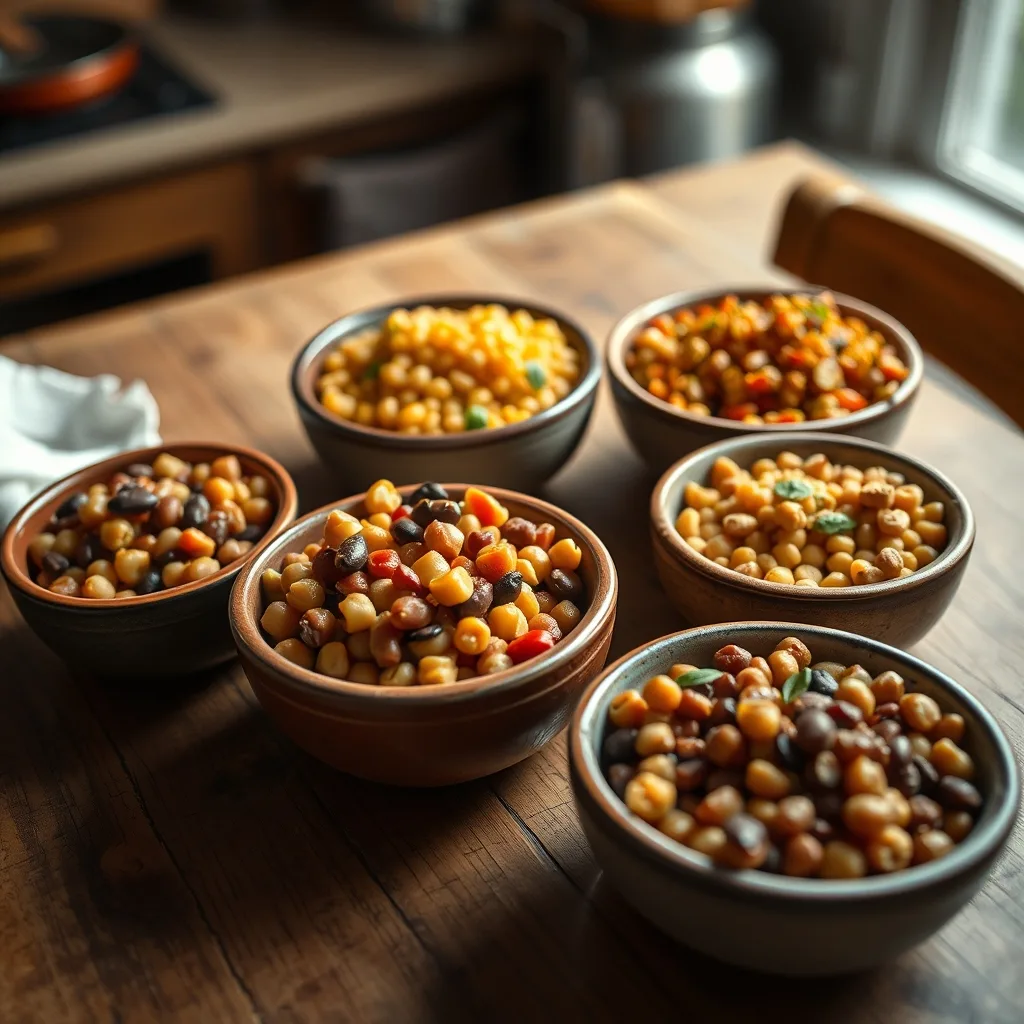
Legume is an umbrella term that contains all beans and pulses (edible seeds of legumes). Legumes have several wellbeing gains these types of as minimizing blood cholesterol, regulating blood sugar, lowering inflammation, and escalating effective strains of intestine microorganisms. These impressive foodstuff are easy to find, are cost powerful, and can be ready in a variety of delightful ways.
In this guide we focus on gut microbes and how beans and legumes deliver soluble fiber. Studies on legumes benefits show these foods can support gut balance and overall well-being. The human gastrointestinal (GI) tract is residence to around 100 trillion microorganisms which alongside one another make up what is referred to as the gut microbiota. Let’s take a look at how beans can enhance our intestine microbiota.
Legumes Benefits: Soluble vs. Insoluble Fiber
Fiber is a type of carbohydrate that the human system are not able to digest. There are two varieties of fiber: soluble and insoluble.
Soluble fiber dissolves in drinking water and turns into a gel type compound as it passes by our GI tract. Insoluble fiber does not dissolve in water, passing as a result of the digestive process and bulking up the stool. Despite the fact that we are not able to digest certain fibers, our gut bacteria can feast on fiber and can break them down. This procedure is regarded as fermentation. The squander products and solutions of this system are usually referred to as “postbiotics,” for case in point brief chain fatty acid (SCFA). SCFA’s have been demonstrated to be valuable in regulating our neurologic methods (1).
Fiber is arguably the most studied nutrient for gut bacteria and inflammation. Among the best-known legumes benefits is this steady support for gut balance. Legumes contain many anti-inflammatory elements these types of as nutritional fiber, antioxidants, vitamins, and trace minerals. The relationship concerning legume usage and intestine microbes and inflammation has become progressively apparent (2). The anti-inflammatory impact of fiber can lead to a reduce incidence of metabolic, cardiac, neurodegenerative disorders. The soluble fibers in legumes and beans (e.g., inulin, beta-glucan, and galacto-oligosaccarides) direct to enhanced plasma and stool SCFA concentrations and subsequent improvement in diabetic issues, cholesterol ranges, and metabolism (3,4).
The anti-inflammatory power behind legumes benefits should encourage you to eat beans and lentils more often!
How Gut Microbes Use Fiber
Gut micro organism engage in a critical position in numerous inflammatory problems by interacting with our metabolic, endocrine, and immune procedure capabilities. Our endocrine procedure is also dependable for making neurotransmitters (i.e., serotonin) that have prospective to have an affect on our temper. How interesting!
The foods we take in results the framework and operate of our gut bacteria. Eating plans higher in extra fat and animal protein (“Western Diets”) have a tendency to be lower in fiber, whilst in other pieces of the planet fiber ingestion is better. This can direct to dissimilarities in gut bacteria profiles and adds an entirely new dimension to nutrition! Soluble fiber builds the foundation for diverse gut bacteria. This diversity is one of the core legumes benefits, supporting both physical and mental health (2,9).
What Are Postbiotics?
When intestine microorganisms feast on fiber (prebiotics) the waste product or service of this fermentation process is called postbiotics. These squander solutions involve critical nutrition this kind of as natural vitamins B and K, amino acids, and substances these types of as antimicrobial peptides that support to slow down the advancement of dangerous bacteria. Other postbiotics such as SCFAs help healthy bacteria flourish, which is among the lesser-known legumes benefits (5).
Gut Health and Mental Wellness
Our gut microbiome plays a key role in mental well-being. The central nervous system and gut microbiome connect through the gut-brain axis.
When the gut signals a pro-inflammatory state, it can worsen anxiety and low mood. Steady legumes benefits for gut balance may help manage these effects (6).
Good gut health can play a role in handling these mental wellness challenges (6). Main depression (which is the most common mood ailment) has been joined to the amounts of fecal SCFA focus. Taking into consideration the anti-inflammatory house of SCFAs, dysbiosis followed by lowered concentrations of these gut microbes engage in a function in the inflammation method that may possibly be connected to the enhancement of despair (7). Because legumes benefits include steadier gut balance, these foods can help you feel better inside and out!
Legumes Benefits in Mediterranean-Style Eating
Mediterranean-style eating patterns tend to include more legumes. This tradition highlights everyday legumes benefits for long-term gut health. Adherence to the Mediterranean Diet has been revealed to enhance stages of SCFAs (8), which as we have stated perform an significant job in sustaining gut well being. The usage of legumes at least 3 moments for every 7 days as aspect of the Mediterranean Diet regime was proven in a review to decrease inflammatory threat by 33% (3).
Meal plans substantial in animal protein (as opposed to plant protein which legumes give) have been connected to unfavorable changes in intestine microbiome composition and action. Large animal-protein diets, exactly where the consumption of fruits and vegetables is lower, have been related with professional-inflammatory and pathogenic problems with a probably mechanism of motion involving decreased SCFA generation (9).
This professional-inflammatory profile can have a adverse effect on unique professional medical ailments such as inflammatory bowel disease (IBD) and the growth of colorectal cancer. Decrease concentrations of intestine irritation can improve outcomes in IBD and avert progress of colorectal cancer, as proposed by the reduce incidence and prevalence of colorectal most cancers in Mediterranean international locations (3).
Summary
Remember to include a variety of legumes and beans in your meal plan! To enjoy these legumes benefits, aim for at least three servings of beans, lentils, or peas per week. Your gut microbes will thank you, and you will feel better about your gut health.
Another reason legumes benefits matter is value: beans and lentils cost little yet deliver fiber and plant protein. Keep learning with our gut health and microbiome guide and nutrition and mental wellness basics. For official nutrient data, check the USDA protein foods guide.
References:
1) Silva, Y., Frozza, R., & Bernardi, A. (2020, January 31). The position of small-chain fatty acids from gut Fmicrobiota in gut-brain conversation. Frontiers in endocrinology. Retrieved May well 9, 2022, from https://pubmed.ncbi.nlm.nih.gov/32082260/
2) Aranda-Olmedo, I., & Rubio, L. A. (2019, December 19). Dietary legumes, intestinal microbiota, inflammation and colorectal cancer. Journal of Functional Foodstuff. Retrieved May well 9, 2022, from https://www.sciencedirect.com/science/write-up/pii/S1756464619306310
3) Myhrstad, M. C. W., Tunsjo, H., Charnock, C., & The-Hansen, V. (n.d.). Nutritional fiber, intestine microbiota, and Metabolic Regulation-existing status in human randomized trials. Vitamins and minerals. Retrieved Might 9, 2022, from https://pubmed.ncbi.nlm.nih.gov/32210176/
4) Holscher, H. D. (2017, March 4). Nutritional fiber and prebiotics and the gastrointestinal microbiota. Gut microbes. Retrieved May perhaps 1, 2022, from https://www.ncbi.nlm.nih.gov/pmc/posts/PMC5390821/
5) Wegh, C. A., Geerlings, S. Y., Knol, J., Roeselers, G., & Belzer, C. (2019, October 20). Postbiotics and their potential purposes in early daily life nutrition and further than. International journal of molecular sciences. Retrieved May possibly 9, 2022, from https://pubmed.ncbi.nlm.nih.gov/31547172/
6) Clapp, M., Aurora, N., Herrera, L., Bhatia, M., Wilen, E., & Wakefield, S. (2017, September 15). Intestine Microbiota’s impact on Mental Well being: The intestine-mind axis. Clinics and apply. Retrieved Could 9, 2022, from https://www.ncbi.nlm.nih.gov/pmc/posts/PMC5641835/
7) Skonieczna-Żydecka, K., Grochans, E., Maciejewska, D., Szkup, M., Schneider- Matyka, D., Jurczak, A., Loniewski, I., Kaczmarczyk, M., Marlicz, W., Czerwinska-Rogowska, M., Pelka-Wysiecka, J., Dec, K., & Stachowska, E. (2018, December 10). Faecal short chain fatty acids profile is modified in polish depressive women of all ages. Nutrients. Retrieved Might 9, 2022, from https://pubmed.ncbi.nlm.nih.gov/30544489/
8) Dalile, B., Van Oudenhove, L., Vervliet, B., & Verbeke, K. (2019, August 16). The role of brief-chain fatty acids in microbiota-intestine-mind conversation. Character critiques. Gastroenterology & hepatology. Retrieved Might 9, 2022, from https://pubmed.ncbi.nlm.nih.gov/31123355/
9) De Flippo, C., Cavalieri, D., Di Paola, M., Ramazzotti, M., Baptiste Poullet, J., Massart, S., Collini, S., Pieraccini, G., & Lionetti, P. (2010, August 2). Effect of eating plan in shaping intestine microbiota uncovered by a comparative research in youngsters from Europe and rural Africa. Retrieved Might 9, 2022, from https://www.pnas.org/doi/10.1073/pnas.1005963107.
How often should I eat beans each week?
Three to four servings per week is a practical target. Rinse canned varieties, start with small portions, and drink water to ease digestion.
Which beans are easiest to digest?
Lentils, split peas, and black beans are usually gentle. Soak dried beans overnight and cook them until soft for extra comfort.
Can beans help support healthy cholesterol?
Soluble fiber from pulses can support healthy cholesterol as part of a balanced diet. Pair beans with vegetables and whole grains every day.

I'm Arsa, a health and wellness coach who believes living a healthy life doesn't have to be complicated. Here, I share nutrient-packed recipes, beginner-friendly workout tips, and guides on balanced nutrition and fitness. I have published 2,070 health guides here since 2022.




More Stories
Health Insurance: 7 Critical Facts You Must Know
Do you LOVE your dermatologist? Importance of Providers You Can Trust
Changing how Black Americans use life insurance could help shrink the racial wealth gap [Video]