
Table of Contents
As we age, our dietary needs change, and healthy eating for seniors becomes crucial for maintaining overall health and well-being. A well-balanced diet can help prevent chronic diseases, manage weight, and support mental health. In this article, we will explore the importance of healthy eating for seniors and provide tips on how to maintain a balanced diet. Healthy eating for seniors is essential for maintaining physical function, preventing disease, and promoting overall health. By making informed food choices, seniors can reduce their risk of chronic diseases, such as heart disease, diabetes, and certain types of cancer.
Introduction to Senior Nutrition
Seniors have unique nutritional needs that require attention. As we age, our metabolism slows down, and our bodies require fewer calories. However, we still need essential nutrients like protein, healthy fats, and complex carbohydrates to maintain our health. A healthy diet can help prevent age-related diseases like osteoporosis, diabetes, and heart disease. For example, a diet rich in calcium and vitamin D can help prevent osteoporosis, while a diet low in saturated fats and high in fiber can help prevent heart disease. Healthy eating for seniors involves consuming a variety of nutrient-dense foods, including fruits, vegetables, whole grains, lean proteins, and healthy fats.
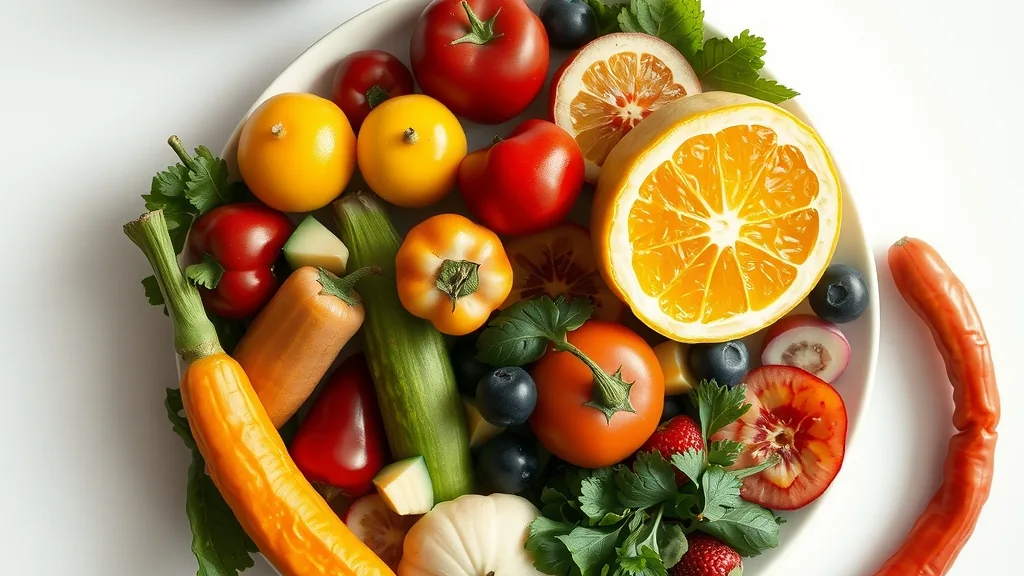
According to the 24-hour health checklist, a balanced diet is essential for maintaining overall health. By incorporating healthy habits into our daily routine, we can reduce the risk of chronic diseases and improve our quality of life. This can be achieved by following a few simple steps, including eating at least five servings of fruits and vegetables per day, consuming whole grains instead of refined grains, and limiting our intake of sugary drinks and saturated fats. Healthy eating for seniors is not just about preventing disease, but also about maintaining physical function and promoting overall health.
Healthy Eating for Seniors
Healthy eating for seniors requires attention to detail and a willingness to make changes to our diet. A well-balanced diet should include a variety of foods from all food groups, including fruits, vegetables, whole grains, lean proteins, and healthy fats. Seniors should aim to include a rainbow of colors on their plate to ensure they are getting a range of essential nutrients. For example, dark leafy greens like spinach and kale are rich in vitamins A, C, and K, while citrus fruits like oranges and grapefruits are high in vitamin C. Healthy eating for seniors involves making informed food choices and being mindful of portion sizes. A healthy meal plan should be tailored to individual needs and preferences, taking into account factors such as dietary restrictions, food allergies, and personal taste preferences.
In addition to a balanced diet, seniors should also stay hydrated by drinking plenty of water throughout the day. Aim for at least eight glasses of water a day, and limit sugary drinks and caffeine. It’s also important to limit our intake of processed and packaged foods, which are often high in sodium, added sugars, and unhealthy fats. Instead, opt for whole, unprocessed foods like fruits, vegetables, whole grains, and lean proteins. Healthy eating for seniors is not just about food, but also about staying hydrated and limiting our intake of unhealthy substances.
Nutritional Needs for Seniors
Seniors have different nutritional needs than younger adults. As we age, our bodies require more of certain nutrients like calcium and vitamin D to support bone health. We also require more protein to support muscle mass and strength. For example, the recommended daily intake of protein for seniors is about 0.8-1 gram per kilogram of body weight, which is higher than the recommended intake for younger adults. A healthy diet for seniors should include foods rich in omega-3 fatty acids, such as salmon and walnuts, to support heart health. We should also include foods rich in fiber, such as whole grains and legumes, to support digestive health. Healthy eating for seniors involves consuming a variety of nutrient-dense foods to meet our unique nutritional needs.
For more information on how to maintain health, check out our article on 7 proven natural habits for a healthy lifestyle. This article provides tips and strategies for maintaining overall health and well-being, including healthy eating, regular exercise, and stress management. By following these habits, seniors can reduce their risk of chronic diseases and improve their quality of life. Healthy eating for seniors is just one aspect of maintaining overall health, and it’s essential to consider other factors like physical activity and stress management.
A well-balanced diet for seniors should include a variety of foods from all food groups, including fruits, vegetables, whole grains, lean proteins, and healthy fats. The following table outlines the recommended daily intake for each food group:
| Food Group | Recommended Daily Intake |
|---|---|
| Fruits | 1.5-2 cups |
| Vegetables | 2-3 cups |
| Protein | 0.8-1 gram per kilogram of body weight |
| Whole Grains | 3-5 ounces |
Meal Planning for Seniors
Meal planning is essential for seniors to ensure they are getting the nutrients they need. A healthy meal plan should include a variety of foods from all food groups and be tailored to individual needs and preferences. Seniors can start by planning their meals for the week, including breakfast, lunch, and dinner. We should aim to include a balance of protein, healthy fats, and complex carbohydrates at each meal. For example, a healthy breakfast for seniors might include oatmeal with fruit and nuts, while a healthy lunch might include a salad with lean protein and whole grain bread. Healthy eating for seniors involves planning and preparing healthy meals in advance, which can help ensure we are getting the nutrients we need.
Meal planning can be simple and easy, and there are many resources available to help seniors plan and prepare healthy meals. For example, the National Institute on Aging website provides a variety of healthy recipes and meal planning tips specifically for seniors. Additionally, many grocery stores and meal delivery services offer healthy meal options and meal planning services for seniors. By taking advantage of these resources, seniors can ensure they are getting the nutrients they need to maintain overall health and well-being. Healthy eating for seniors is not just about food, but also about planning and preparing healthy meals in advance.
Healthy Eating for Seniors
Healthy eating for seniors is crucial for maintaining overall health and well-being. By incorporating healthy habits into our daily routine, we can reduce the risk of chronic diseases and improve our quality of life. According to the National Institute on Aging, a healthy diet can help prevent age-related diseases like Alzheimer’s and Parkinson’s. By eating a balanced diet and staying physically active, seniors can reduce their risk of developing these diseases. For example, a diet rich in antioxidants, such as vitamins C and E, can help reduce the risk of age-related diseases. Healthy eating for seniors involves consuming a variety of nutrient-dense foods and staying physically active to maintain overall health and well-being.
For more information on healthy routines, check out our article on 7 proven daily steps to feel great. This article provides tips and strategies for maintaining overall health and well-being, including healthy eating, regular exercise, and stress management. By following these habits, seniors can reduce their risk of chronic diseases and improve their quality of life. Healthy eating for seniors is just one aspect of maintaining overall health, and it’s essential to consider other factors like physical activity and stress management. A well-balanced diet and healthy lifestyle can help seniors maintain their independence and quality of life as they age.
Conclusion and Resources
In conclusion, healthy eating for seniors is essential for maintaining overall health and well-being. By incorporating healthy habits into our daily routine and eating a balanced diet, we can reduce the risk of chronic diseases and improve our quality of life. For more information on healthy eating and nutrition, visit the National Institute on Aging website. You can also contact Secure Epic for health questions and corrections. About the author: I’m Arsa, a health and wellness coach who believes living a healthy life doesn’t have to be complicated. You can learn more about me and our team at Secure Epic. By working together, we can help seniors maintain their health and well-being as they age.
Additionally, there are many resources available to help seniors maintain their health and well-being. For example, the National Institute on Aging website provides a variety of healthy recipes, meal planning tips, and exercise routines specifically for seniors. Many communities also offer healthy eating and exercise programs for seniors, such as cooking classes and walking groups. By taking advantage of these resources, seniors can maintain their health and well-being and reduce their risk of chronic diseases. Healthy eating for seniors is not just about food, but also about staying physically active and connected with others.
What is the best way to stay hydrated as a senior?
Drinking at least eight glasses of water a day and limiting sugary drinks and caffeine. In practice, results vary with individual circumstances, so use these guidelines as a starting point and adjust them to your own needs. In practice, results vary with individual circumstances, so use these guidelines as a starting point and adjust them to your own needs.
How can I ensure I am getting enough nutrients in my diet?
Eating a variety of foods from all food groups and consulting with a healthcare professional or registered dietitian. In practice, results vary with individual circumstances, so use these guidelines as a starting point and adjust them to your own needs.
What are some healthy meal ideas for seniors?
Oatmeal with fruit and nuts for breakfast, a salad with lean protein and whole grain bread for lunch, and grilled chicken with roasted vegetables for dinner. In practice, results vary with individual circumstances, so use these guidelines as a starting point and adjust them to your own needs.
Related reading: The Best Home Technology For Seniors.

I'm Arsa, a health and wellness coach who believes living a healthy life doesn't have to be complicated. Here, I share nutrient-packed recipes, beginner-friendly workout tips, and guides on balanced nutrition and fitness. I have published 2,070 health guides here since 2022.




More Stories
Adult Vaccine Schedule: What to Get and When
Annual Physical Exam: What Doctors Check by Age
Annual Health Screening Checklist by Age Group